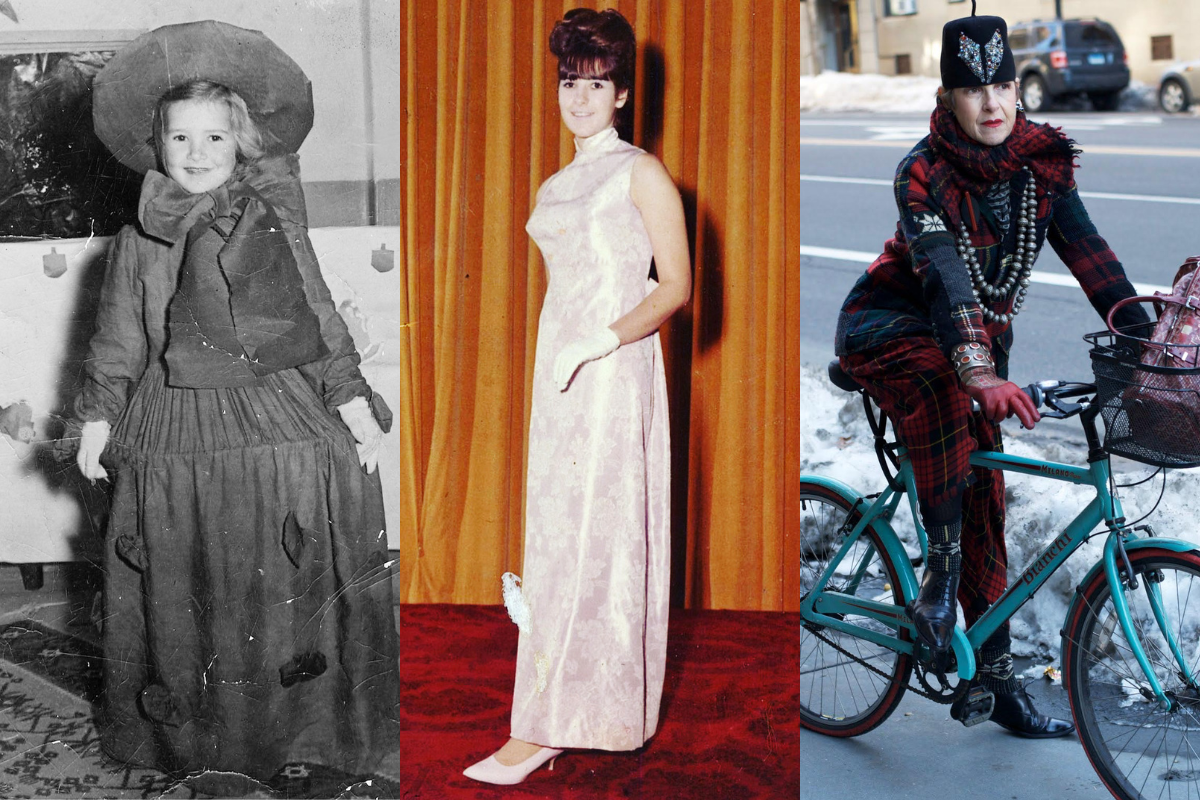
Holocaust survival is often told through numbers and dates. But survival also lived in the practical skills people carried with them — a trade, a craft, something you could do with your hands that made you useful enough to keep alive.
For Tziporah Salamon’s father, that skill was sewing.
“He sewed the Nazi uniforms,” she tells Hey Alma. “He mended the Jewish boys’ overalls. That saved his life.”
Salamon is now 75 and widely known in New York fashion circles. Bill Cunningham photographed her dozens of times for the New York Times. She modeled for Lanvin at 62 in a campaign shot by Steven Meisel. Her wardrobe is often described as theatrical, eccentric, singular.
Cozy Season with Hey Alma. As the days get shorter, Hey Alma is where you can curl up with Jewish culture that's funny, honest, and open to everyone.
But this isn’t only a story about Tziporah Salamon. It’s about something older and larger — the Jewish relationship to cloth and craft. About making beautiful things first out of necessity, then out of love, and eventually out of devotion. About what Jews wore to survive, and what we wear to celebrate that we did.
Salamon was born into a household organized around fabric. Her father was a tailor and her mother was a dressmaker, both Holocaust survivors who rebuilt their lives in Netanya, Israel, after the war. Almost everything she wore as a child was handmade. Her father made her pants and suits. Her mother knitted sweaters, crocheted onesies and sewed dresses in linen for spring and wool for winter. The only thing purchased in a store, she remembers, was a pair of black patent leather shoes. On Shabbat, she would bend down and polish them until they shone. As long as the shoes were shiny, everything felt right.
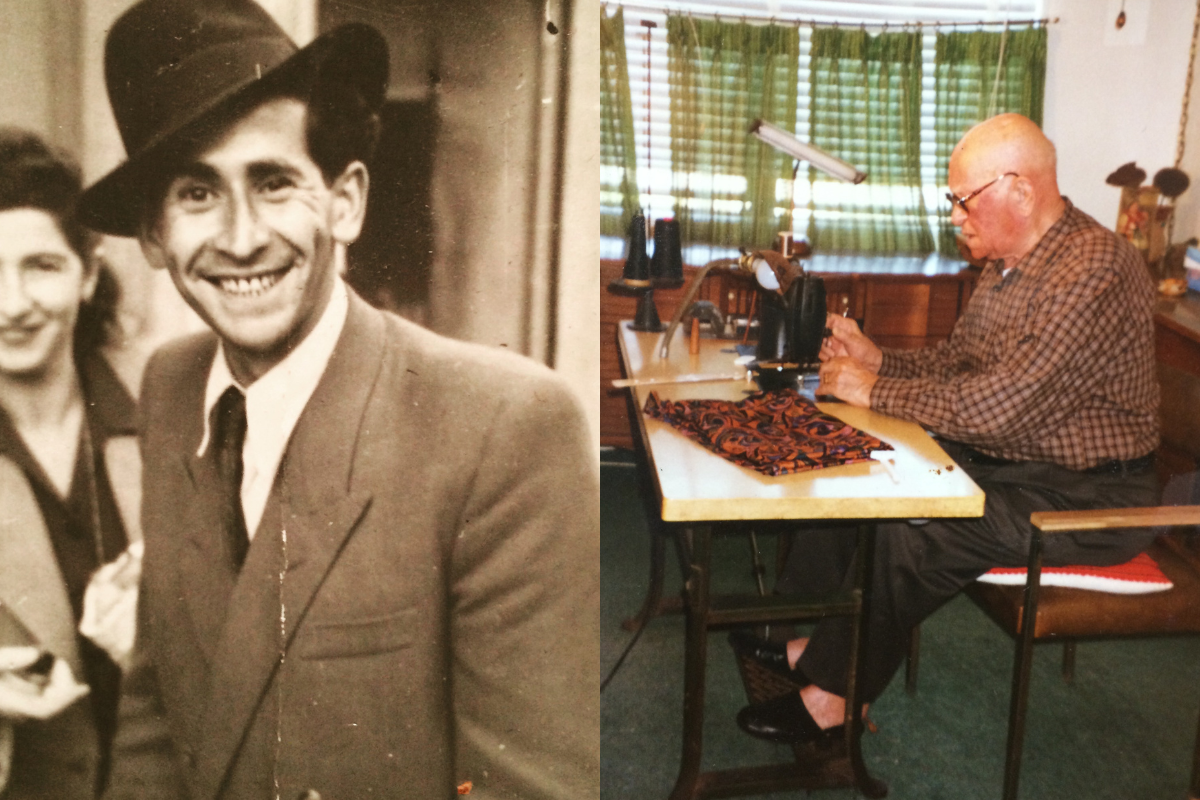
Her father’s tailoring shop quickly became more than a workplace. It became a gathering place for Hungarian survivors rebuilding their lives. Men would stop in to talk, smoke and exchange news about relatives located or confirmed dead. Salamon spent hours as a child playing among the mannequins.
“I thought my father was a magician,” she says. “The fabric was flat one day, and then suddenly there were shoulders.”
Watching him work taught her early that clothing was not decoration; it was creation. His skill with a needle didn’t just give him work. It gave him a life.
There was another influence on her childhood wardrobe. Her father’s sister had survived Auschwitz and eventually moved to New York, where she met a wealthy Texan who happened to be the vice president of Neiman Marcus. They married. When she learned her brother had survived the war and was raising two daughters in Israel, she went shopping. “She didn’t have to look at price tags,” Salamon says. The standard for quality was set early, and it never lowered.
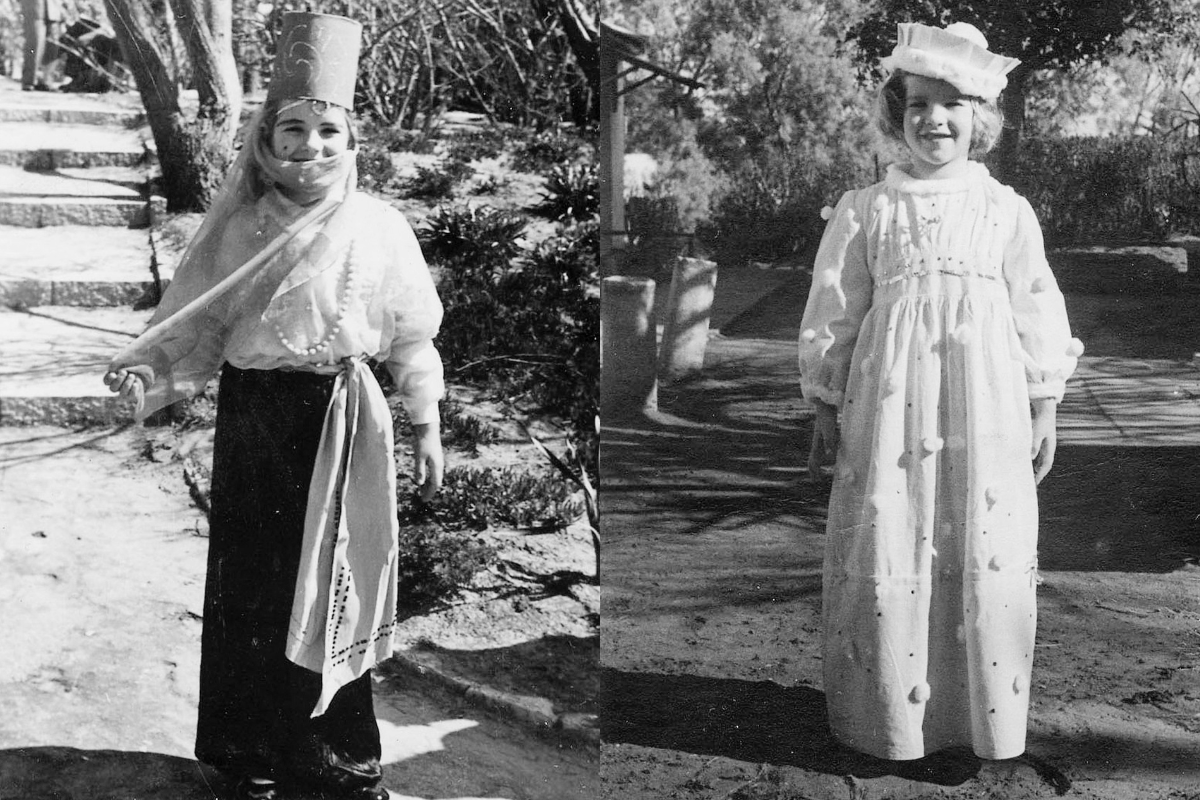
She talks about getting dressed the way other people talk about eating well. You have to eat. You have to dress. So you might as well dress in something that gives you pleasure — pleasure in the sweater you touch, pleasure in the hat you catch in the mirror, pleasure even in the pajamas you look down at when no one else is watching.
“Like my pajamas,” she says, when I ask what part of her style is invisible to other people. “You don’t see my pajamas. They’re great.”
For those wondering, they’re men’s vintage flannel pajamas from the 1940s. Of course.
“My towels are beautiful,” she continues. “My spoons are beautiful. My dishes are beautiful. Everything I buy is beautiful. It has to be.”
She grew up in a world where being alive was the miracle, and beauty was one of the ways you proved you understood it.
One year after her father’s death, Salamon went to synagogue for his first yahrzeit. The Torah portion that week described the garments of Aaron the High Priest: You shall make holy garments for Aaron, for holiness and splendor. The passage described fabric, construction and craft in remarkable detail. Reading it, she thought about her father. His tailoring. His hands. The quiet seriousness with which he had approached the making of clothes.
“And right then and there,” she says, “I realized my father was the tailor for Aaron. And if my father was Aaron’s tailor, and in this lifetime my father is my tailor — then in some ways, I am Aaron the High Priestess.”
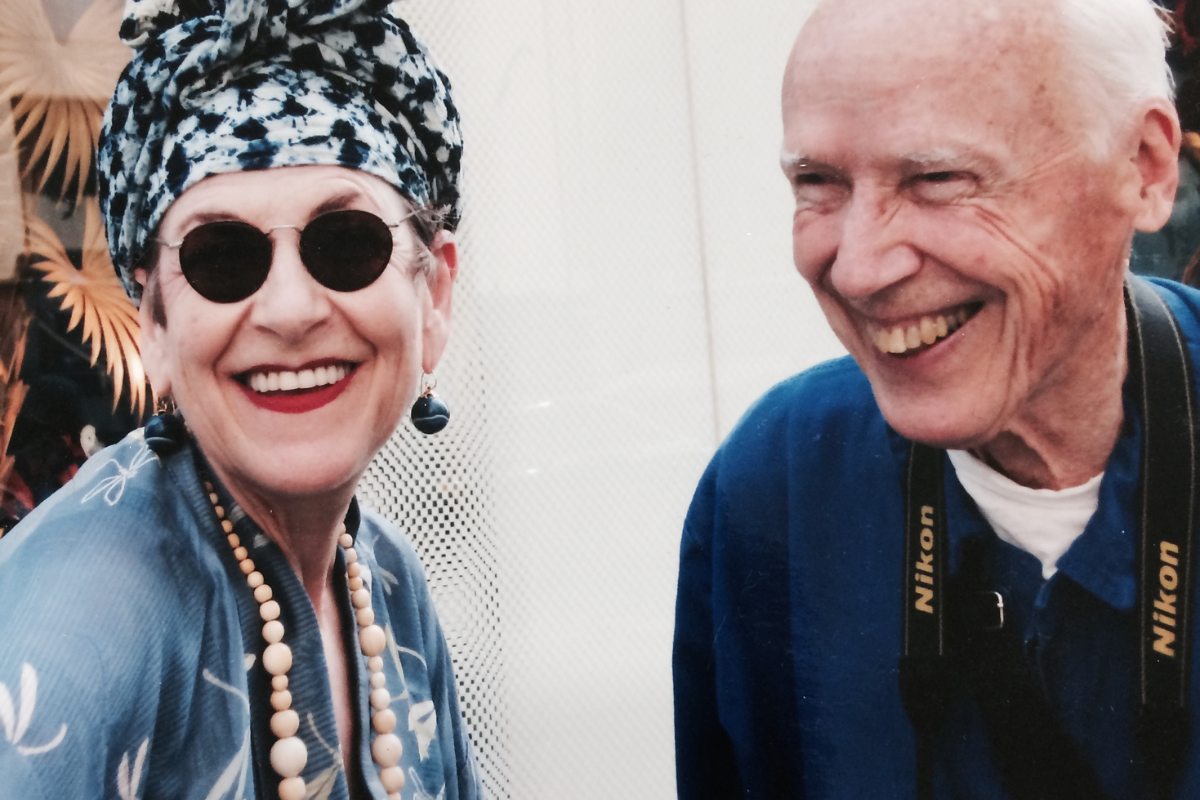
Today, Salamon’s personal style is often reduced to headlines: fashion icon, street-style legend, muse. But what she is actually doing is something else — preserving a lineage, bringing the past forward in visible, wearable form so that survival never becomes an abstraction. She isn’t dressing to be looked at. She is dressing, in her own words, for holiness and splendor.
I think about my own family — my grandfather who manufactured children’s coats, my grandmother who ran a clothing store in Philadelphia. Her phrase for everything she stocked: Good is good. Not about labels. About craft. About the thing made with intention, by hands that knew what they were doing.
Good is good.
And Tziporah Salamon carries that thread forward.